Spreadsheet Alternatives to Boost Productivity in 2026
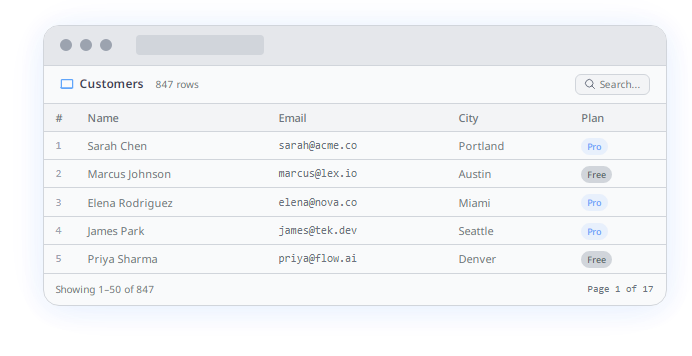
In today’s fast-paced business environment, relying solely on traditional spreadsheets can slow down workflows and limit collaboration. Organizations are increasingly exploring modern tools designed to enhance productivity, streamline data management, and support team collaboration. With evolving technology and workplace demands, it’s crucial to identify options that optimize efficiency. Among these innovations, a standout solution is the advanced Spreadsheet alternative, which offers flexibility, automation, and real-time collaboration features that go beyond conventional spreadsheets.
What Makes Spreadsheet Alternatives More Effective?
Spreadsheet alternatives are built to overcome common limitations of traditional spreadsheets. For instance, handling large datasets often leads to slow performance in older software, and multiple users editing simultaneously can cause errors. By contrast, modern alternatives use cloud-based platforms that allow teams to work in real time, track changes seamlessly, and manage permissions effectively. They also integrate with various productivity tools, enabling a smoother workflow without switching between multiple applications.
How Do These Alternatives Improve Collaboration?
Collaboration is at the heart of productivity. With traditional spreadsheets, sharing files via email or network drives can create version control issues. Spreadsheet alternatives solve this by allowing multiple team members to view and edit data simultaneously. Many platforms also offer features like comment threads, activity logs, and task assignments, ensuring every team member stays updated on project progress. Studies indicate that companies adopting collaborative platforms can see a 20–30% improvement in project turnaround times.
Are Spreadsheet Alternatives Suitable for Large Datasets?
Absolutely. Modern alternatives are engineered to manage vast datasets efficiently. Unlike conventional spreadsheets that may crash or slow down when handling millions of rows, these solutions leverage optimized storage and computation methods. Users can filter, sort, and visualize data without experiencing lag, making them ideal for data-intensive industries such as finance, research, and marketing analytics.
Can Spreadsheet Alternatives Automate Workflows?
Yes, automation is one of the key advantages. Many alternatives offer built-in scripting or integration capabilities that allow repetitive tasks to be automated. For example, routine calculations, data imports, and report generation can be scheduled without manual intervention. According to recent industry reports, organizations using automation in data management can reduce operational costs by up to 25%, freeing up employees to focus on strategic initiatives.
How Do These Tools Support Data Visualization?
Data visualization is critical for decision-making. Traditional spreadsheets often have limited charting options and require manual updates. Spreadsheet alternatives provide advanced visualization tools such as interactive dashboards, dynamic charts, and customizable reporting features. These enable businesses to transform raw data into actionable insights quickly. Research shows that teams using interactive dashboards can interpret trends 40% faster than those relying solely on static spreadsheets.
Are They Accessible Across Devices?
Yes. Most spreadsheet alternatives are cloud-based and accessible via desktop, tablet, and mobile devices. This ensures that team members can access up-to-date information anytime, anywhere, enhancing productivity for remote or distributed teams. Accessibility statistics reveal that teams leveraging mobile-friendly tools report higher engagement levels and quicker decision-making.
What About Security and Compliance?
Security remains a top priority for data-driven organizations. Modern spreadsheet alternatives incorporate encryption, multi-factor authentication, and granular access controls to protect sensitive information. Many platforms also support regulatory compliance requirements such as GDPR and HIPAA, offering peace of mind for businesses handling confidential data.
Conclusion
As workplaces continue to evolve in 2026, relying on traditional spreadsheets may no longer suffice for modern productivity demands. Spreadsheet alternatives provide enhanced collaboration, data management, automation, and visualization capabilities. By adopting these tools, organizations can improve efficiency, reduce errors, and empower teams to make data-driven decisions faster. Choosing the right alternative can transform the way businesses operate, making workflows smoother and outcomes more impactful.