Comparing Remote Patient Monitoring Platforms: What You Need to Know
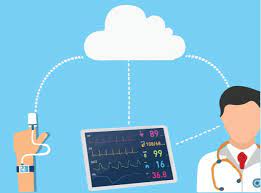
Remote Patient Monitoring (RPM) platforms are transforming healthcare by bridging the gap between patients and providers. With advancements in technology, these platforms now offer unparalleled convenience, ensuring patients receive timely care while clinicians gain valuable insights for better decision-making. But with so many options available, how do you choose the right platform for your needs? Here’s a quick comparison of key factors to consider when evaluating remote patient monitoring platform.
Core Features to Look For
When comparing various RPM platforms, start by examining their essential features. Ideally, a good RPM platform should include the following capabilities:
• Seamless Device Integration: The ability to pair with a variety of medical devices like blood pressure cuffs, glucose meters, and pulse oximeters.
•
• Real-time Data Tracking: Platforms that provide real-time data allow healthcare providers to monitor patient vitals instantly, reducing delays in critical situations.
•
• User-friendly Interface: Ease of use is critical for both patients and providers. A complicated interface can create barriers to regular usage.
•
• Secure Data Transmission: Data privacy is paramount in healthcare. Look for platforms that comply with stringent security regulations like HIPAA or GDPR.
•
Benefits for Patients and Providers
The appeal of RPM platforms lies in their mutual benefits for both sides of the healthcare equation.
• Patients: These solutions empower individuals to take control of their health from the comfort of their homes. They reduce the need for frequent doctor visits while ensuring patients remain engaged with their treatment plans.
•
• Providers: RPM equips providers with real-time health data that enables proactive medical care. This approach not only improves patient outcomes but also optimizes resource allocation by focusing attention where it’s needed most.
•
Customizability and Scalability
One crucial aspect to consider is whether the platform adapts to your specific needs. Choose a solution that allows for customization, enabling tailored health monitoring based on unique conditions. Additionally, think about scalability. If you’re part of a large healthcare organization, a scalable solution can support a growing number of patients without compromising service quality.
Final Thoughts
Remote Patient Monitoring platforms are revolutionizing healthcare by allowing real-time, data-driven decisions that save lives and improve treatment outcomes. By choosing a platform with essential features, patient-centric benefits, and reliable security, you’re investing in a future of smarter healthcare.