The Evolution of Tire Design: From Traditional to Ultra-Modern Models
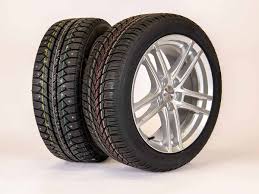
Tire design has come a long way from its humble beginnings, evolving from basic rubber constructions to high-tech, performance-driven marvels. Today’s Tires (Däck) are the result of decades of innovation aimed at improving safety, comfort, efficiency, and durability.
Early tire designs focused primarily on durability, with thick rubber and simple tread patterns meant to withstand rough terrains. As vehicles evolved, so did the need for better handling, stability, and ride comfort. This demand sparked a wave of innovation in materials, structure, and design features.
Modern tire construction incorporates advanced rubber compounds that offer better grip, wear resistance, and temperature tolerance. Engineers now blend silica and polymers into the rubber, enhancing traction on wet roads and extending tread life. These compounds adapt to different road surfaces and weather conditions, providing a more stable and predictable driving experience.
Tread patterns have also seen significant transformation. From basic block designs to complex asymmetric and directional patterns, modern treads are engineered for specific functions—be it water dispersion, cornering grip, or noise reduction. These patterns are carefully tested to provide maximum contact with the road while minimizing rolling resistance.
The structure of the tire has become more sophisticated, with steel belts, reinforced sidewalls, and optimized bead designs ensuring strength and stability at high speeds. This has greatly improved the reliability of tires, even in extreme conditions.
In recent years, tire technology has embraced sustainability and smart innovation. Run-flat technology allows vehicles to continue driving even after a puncture. Self-sealing and airless tire concepts are also gaining traction, offering new levels of convenience and safety.
Smart tires embedded with sensors are part of the ultra-modern era. They monitor pressure, temperature, and wear in real-time, helping drivers maintain peak performance and safety. These innovations are not just futuristic—they’re already being adopted across various vehicle segments.
The evolution of tire design has transformed how we drive. With every advancement, tires have become safer, smarter, and more suited to modern driving needs. It’s a testament to how thoughtful engineering can turn a simple component into a high-performance necessity.