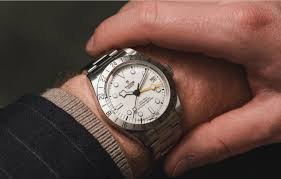
A Professional Insight into How Replica Watches Are Manufactured and Distributed Globally
Introduction to the Global Replica Watch Industry
The watch industry has evolved significantly over the decades, creating demand across various price segments. Among these, the market for replica watches has gained considerable attention due to its accessibility and affordability. Positioned between luxury aspiration and budget-conscious purchasing, this segment operates through a complex ecosystem involving manufacturing, logistics, and global distribution networks.
How Replica Watches Are Manufactured
Replica watch production typically takes place in regions with strong manufacturing capabilities and access to precision engineering tools. The process begins with detailed analysis and reverse engineering of original designs. Manufacturers study materials, dimensions, and aesthetic elements to create visually similar alternatives.
Modern production often involves computer-aided design (CAD) systems, automated machinery, and skilled labor. Components such as cases, dials, and straps are produced separately and then assembled in controlled environments. Quality levels vary widely, ranging from basic models to high-grade replicas that closely resemble original craftsmanship in appearance.
Statistically, a large percentage of replica manufacturing is concentrated in industrial hubs where supply chains for metals, glass, and mechanical parts are well-established. This enables efficient mass production while maintaining relatively low costs.
Distribution Channels and Global Reach
The distribution of replica watches relies heavily on digital platforms and international shipping networks. Online marketplaces, independent websites, and social commerce channels play a crucial role in connecting sellers with global buyers.
Logistics providers facilitate cross-border delivery, often using discreet packaging methods to ensure smooth transit. Data suggests that a significant portion of sales occur through direct-to-consumer models, reducing intermediaries and increasing seller margins.
Wholesale distribution also exists, where bulk buyers source products for resale in local markets. This multi-layered system allows replica watches to reach customers in various regions efficiently.
Market Trends and Consumer Behavior
Consumer interest in replica watches is driven by affordability, design appeal, and accessibility. Surveys indicate that buyers often prioritize aesthetics over brand authenticity, especially in markets where luxury goods are less accessible.
Additionally, advancements in manufacturing technology have improved product quality, making replicas more appealing to a broader audience. E-commerce growth has further accelerated market expansion, enabling seamless purchasing experiences worldwide.
Compliance, Risks, and Considerations
Despite its growth, the replica watch industry operates within a complex legal and ethical landscape. Regulations vary by country, and enforcement levels differ significantly. Buyers and sellers should remain aware of local laws and potential risks associated with international transactions.
From a business perspective, transparency, customer service, and product consistency are key factors influencing long-term sustainability in this market.
Conclusion
The global replica watch industry represents a unique intersection of craftsmanship, technology, and commerce. From detailed manufacturing processes to expansive distribution networks, it continues to evolve in response to consumer demand and market dynamics. Understanding its structure provides valuable insight into how alternative luxury markets function on a worldwide scale.